The Future of Internet-Based Services
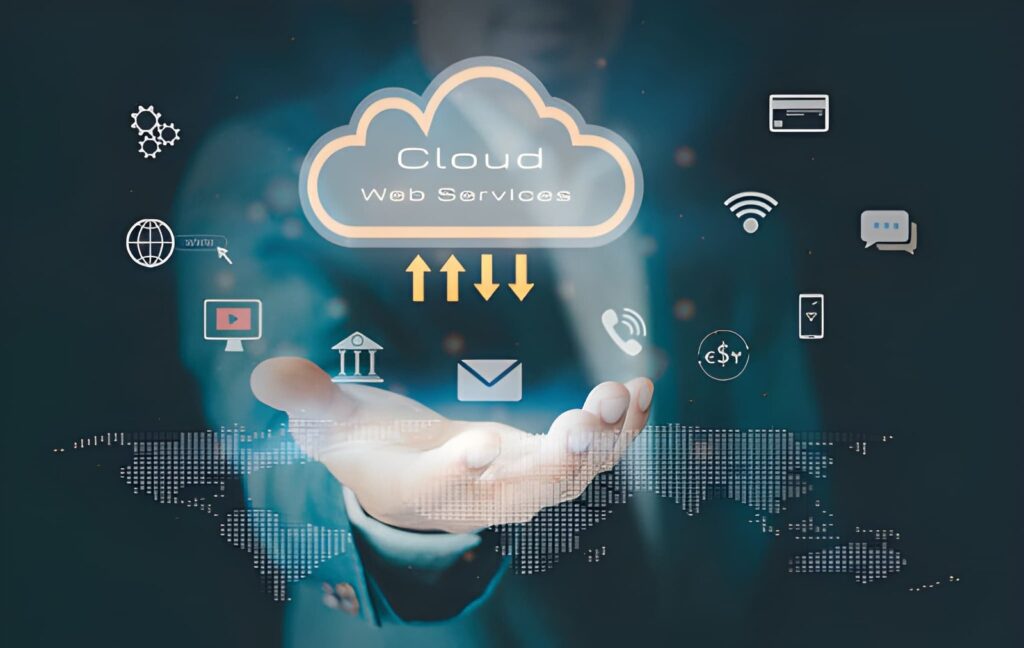
The internet has transformed the way people live, work, communicate, and access essential services. What once required a physical visit or lengthy paperwork can now often be completed online within minutes. From education and shopping to banking, entertainment, healthcare, and professional services, internet-based platforms have become a central part of everyday life.
As technology continues to evolve, the future of internet-based services is likely to become even more connected, personalized, and convenient. Emerging technologies will create new possibilities, while changing user expectations will encourage businesses and organizations to rethink how they deliver services. However, the future will also require careful attention to privacy, security, accessibility, and responsible technology use.
Services Will Become More Personalized
One of the biggest trends shaping the future of online services is personalization. Digital platforms can already learn from user preferences and behavior to provide more relevant recommendations.
In the future, services may become even more tailored to individual needs. Educational platforms could adjust lessons based on a learner’s progress, while shopping websites may offer more accurate suggestions based on interests.
Personalization can make online experiences more convenient, but it also creates questions about how personal information is collected and used. Companies will need to balance helpful customization with respect for privacy.
Artificial Intelligence Will Play a Larger Role
Artificial intelligence is expected to become an important part of internet-based services.
AI can help answer questions, automate routine tasks, analyze information, and provide personalized assistance. Businesses may use intelligent systems to improve customer support, while individuals may rely on digital assistants for everyday tasks.
The goal will not always be to replace human interaction. In many situations, AI can handle simple requests while allowing people to focus on more complex issues.
The most effective services will likely combine technological efficiency with human judgment and empathy.
Online Education Will Continue to Expand
Education is one area where internet-based services have already created major opportunities.
Students can access online courses, digital libraries, recorded lessons, and virtual classrooms from different locations.
In the future, online learning may become even more interactive. Virtual environments, intelligent tutoring systems, and personalized learning tools could create experiences that adapt to individual needs.
However, digital education should complement rather than completely replace valuable human interaction. Teachers, mentors, and classmates still play an important role in motivation, communication, and personal development.
Healthcare Services Will Become More Connected
Internet-based healthcare services are also likely to grow.
Telehealth platforms can allow patients to communicate with healthcare professionals remotely, while digital systems can make it easier to manage appointments and access certain health information.
Future technologies may improve remote monitoring and help people manage everyday healthcare needs more conveniently.
At the same time, healthcare information is highly sensitive. Strong security and privacy protections will be essential as more services move online.
Digital Payments Will Become More Common
Online payments have already changed the way people purchase products and services. Digital wallets, mobile payments, and online banking have made financial transactions faster and more convenient.
The future may bring even more seamless payment experiences.
However, increased convenience must be balanced with security. Users need to understand how to protect their accounts, while service providers must continue improving fraud prevention and data protection.
Trust will remain a major factor in the growth of digital financial services.
Remote Work Will Continue to Evolve
Internet-based services have made remote work possible for millions of people.
Cloud platforms, video conferencing, and digital collaboration tools allow teams to work together across different locations.
Future services may make remote collaboration even more immersive through advanced virtual environments and smarter productivity tools.
This could create greater flexibility for workers and allow businesses to access talent from a wider range of locations.
Internet Services Will Become More Accessible
The future of digital services should focus not only on innovation but also on accessibility.
People have different levels of technical knowledge, physical abilities, and access to reliable internet connections.
Businesses and organizations will need to design services that are simple, inclusive, and easy to use.
Expanding internet access and improving digital literacy will also be important. Technology can only create opportunities when people are able to access and understand it.
Privacy and Security Will Matter More
As people rely more heavily on internet-based services, cybersecurity and privacy will become increasingly important.
Users will expect companies to protect their information and explain clearly how data is collected and used.
Organizations will need to invest in stronger security systems and responsible data practices.
Consumers, meanwhile, will benefit from learning basic digital safety habits, such as using strong passwords and recognizing suspicious messages.
Trust will become one of the most valuable assets in the digital economy.
Human Connection Will Still Matter
Despite rapid technological development, people will continue to value genuine human connection.
The most successful internet-based services will likely understand that convenience is not everything. Customers may still want to speak with a real person when facing a complicated problem or making an important decision.
Technology should make human experiences better, not necessarily remove them.
Businesses that combine efficient digital tools with thoughtful human support may have a strong advantage.
Conclusion
The future of internet-based services is likely to bring greater convenience, personalization, connectivity, and flexibility. Artificial intelligence, online education, digital healthcare, remote work, and digital payments will continue to shape how people interact with services.
However, progress should not be measured only by how advanced technology becomes. The quality of future digital services will also depend on how responsibly they are designed and used.
Privacy, security, accessibility, and human connection must remain important considerations.
Ultimately, the future of internet-based services will be about more than moving activities online. It will be about creating digital experiences that genuinely improve people’s lives. When technology is combined with thoughtful design, responsible practices, and a clear understanding of human needs, the internet can continue to become a powerful platform for opportunity and progress.